Materials
Through experimentation, I transform algae into threads and textile surfaces.
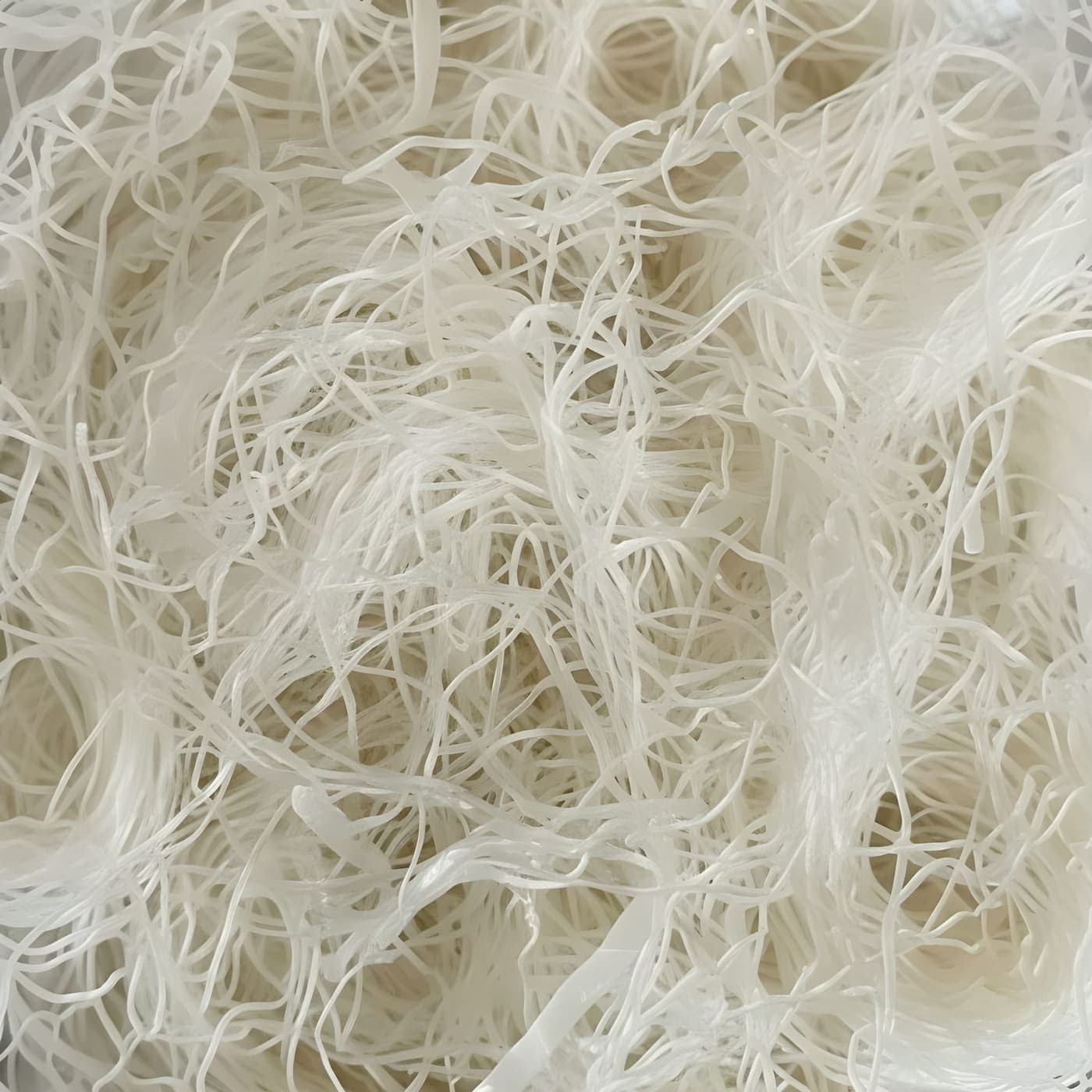
Algae Thread
Sodium alginate and vegetable glycerine mixed with water, then plunged into a calcium chloride bath: the calcium forms a barrier that traps the alginate into a continuous thread. Drying, it loses 90% of its water and shrinks, passing from a supple material to a drier thread.
- Seaweed, responsibly harvested
- Fibrous
- Sensitive
- 6 months
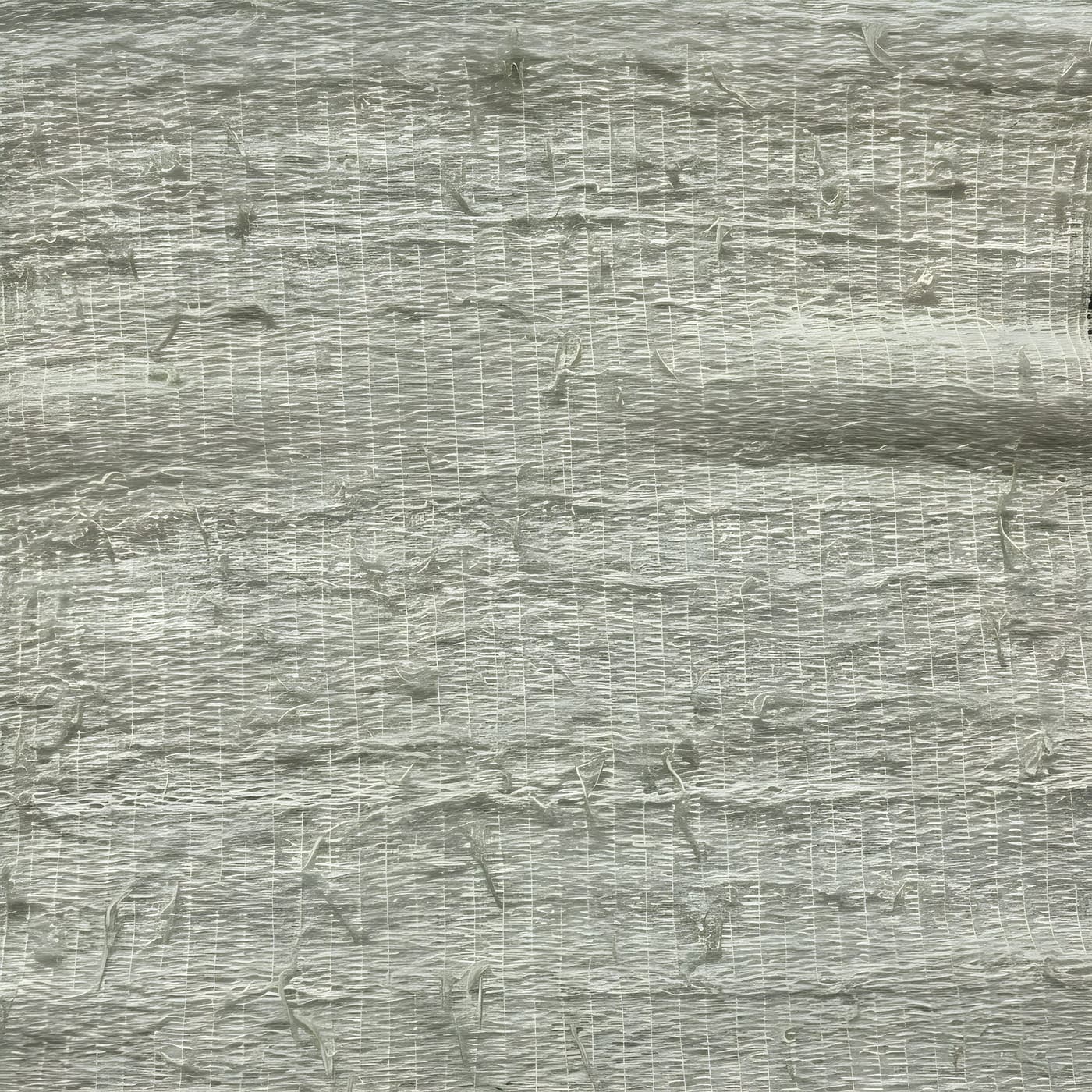
Bio-weave
Bacterial cellulose grown in shallow trays, then cut into strips and hand-woven on a frame loom. The resulting textile is translucent and paper-like.
- Cellulose
- Translucent
- Highly sensitive
- 3 months
Citrus Leather
Orange and lemon worked three ways: fresh peel, peel dried then blended, or juice alone. No two batches set the same; pectin and agar dosages tune rigidity against suppleness, and each sheet dries to its own skin.
- Orange and lemon peel
- Leather-like
- Moderate
- 12 months
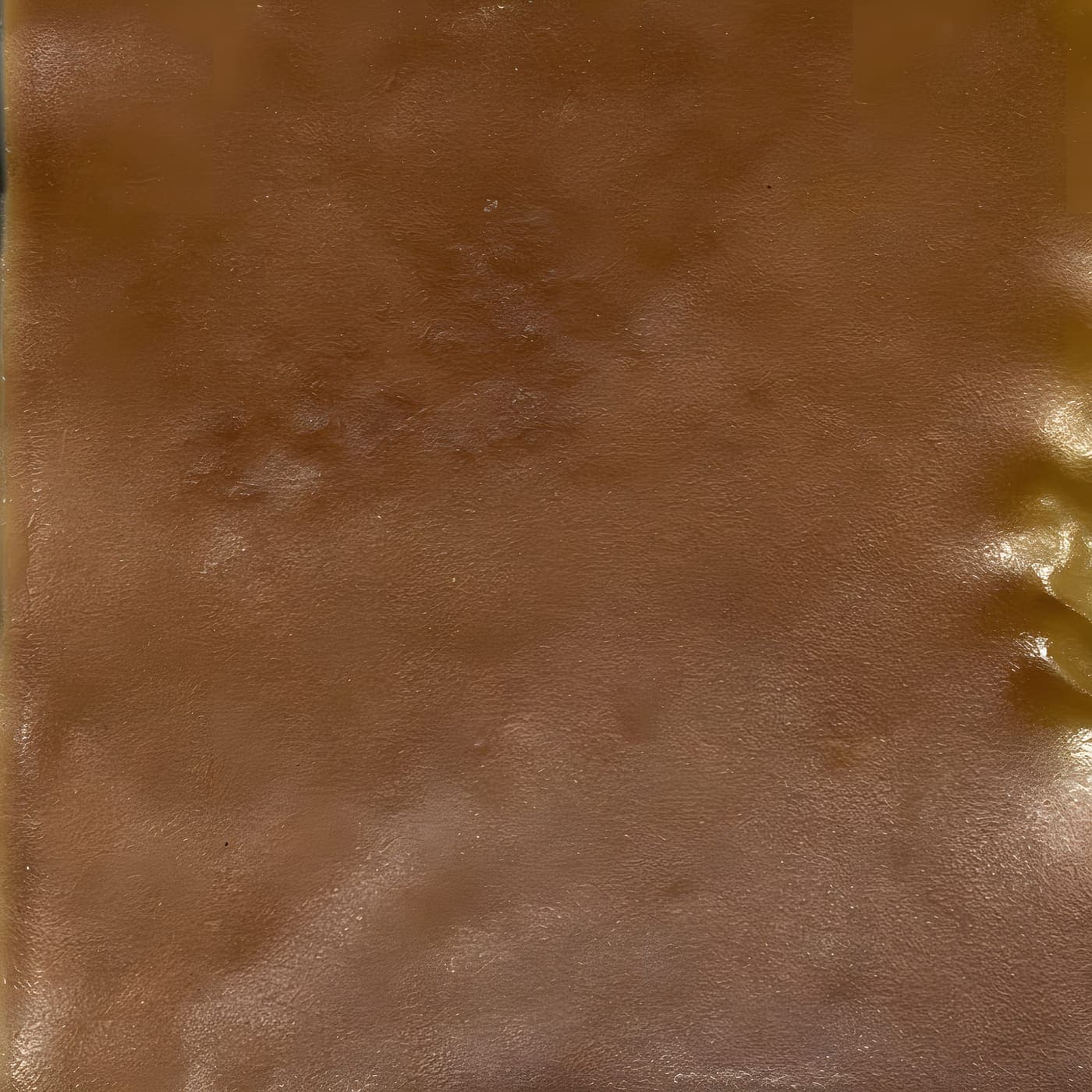
Eggshell Skin
Crushed eggshell, apple pectin, agar agar, vegetable glycerine, white vinegar and water: heated, poured hot, then dried into a supple film worn as a second skin. Glycerine brings shine and keeps the sheet from turning brittle.
- Eggshell, food waste
- Supple film
- Reactive
- 3 months
Vegetal Plastic
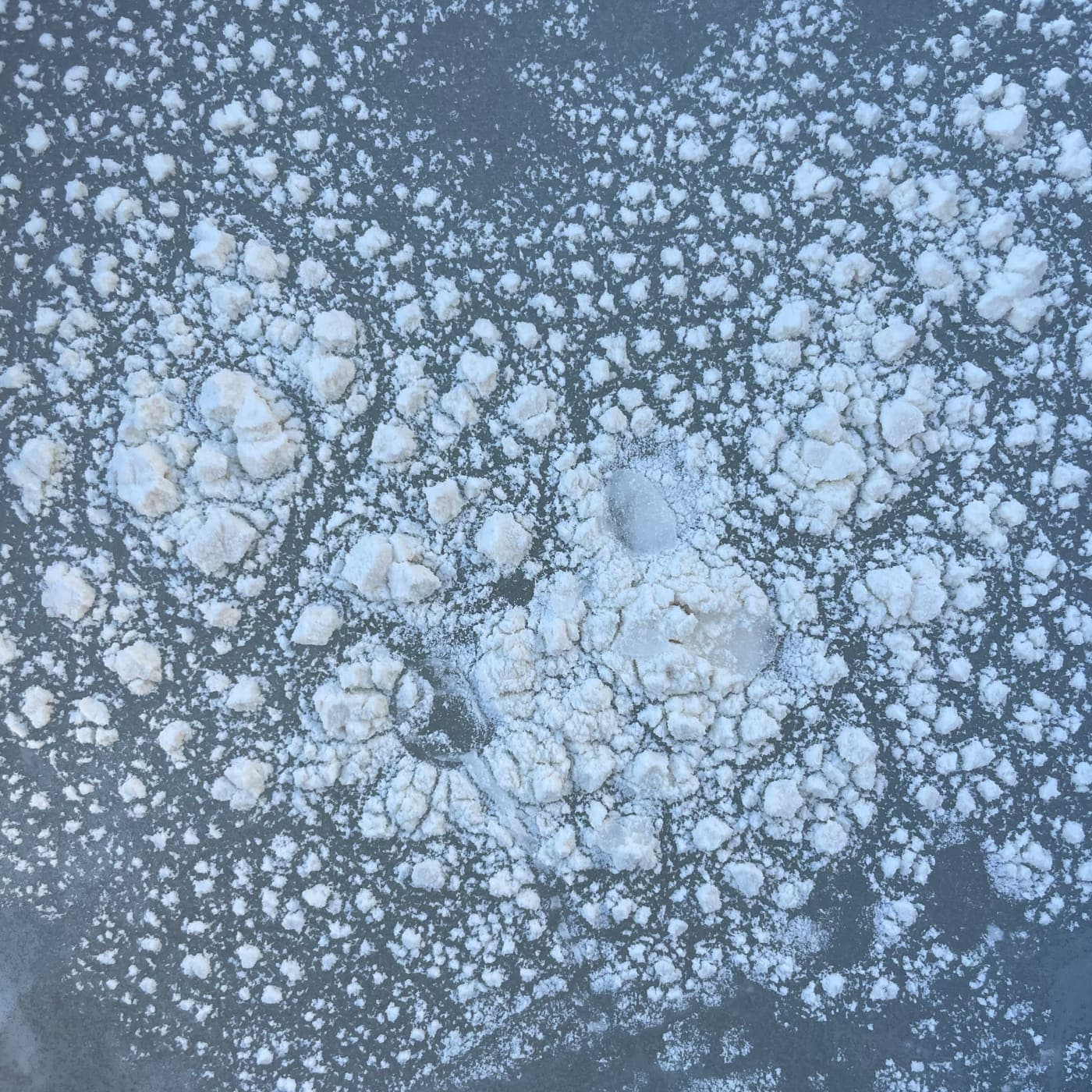
A vegetal plastic cast from agar agar, apple pectin or flax flour bound with water: heated, poured hot into moulds, set within hours. Two to four days of evaporation turn the gel into a dry sheet; white vinegar keeps the food-based mixture from rotting.
- Agar, pectin, flax flour
- Cast sheet
- Sensitive
- Ongoing
These materials remain sensitive to humidity, tension and time: qualities often perceived as weaknesses, but which I reinterpret as signs of life.